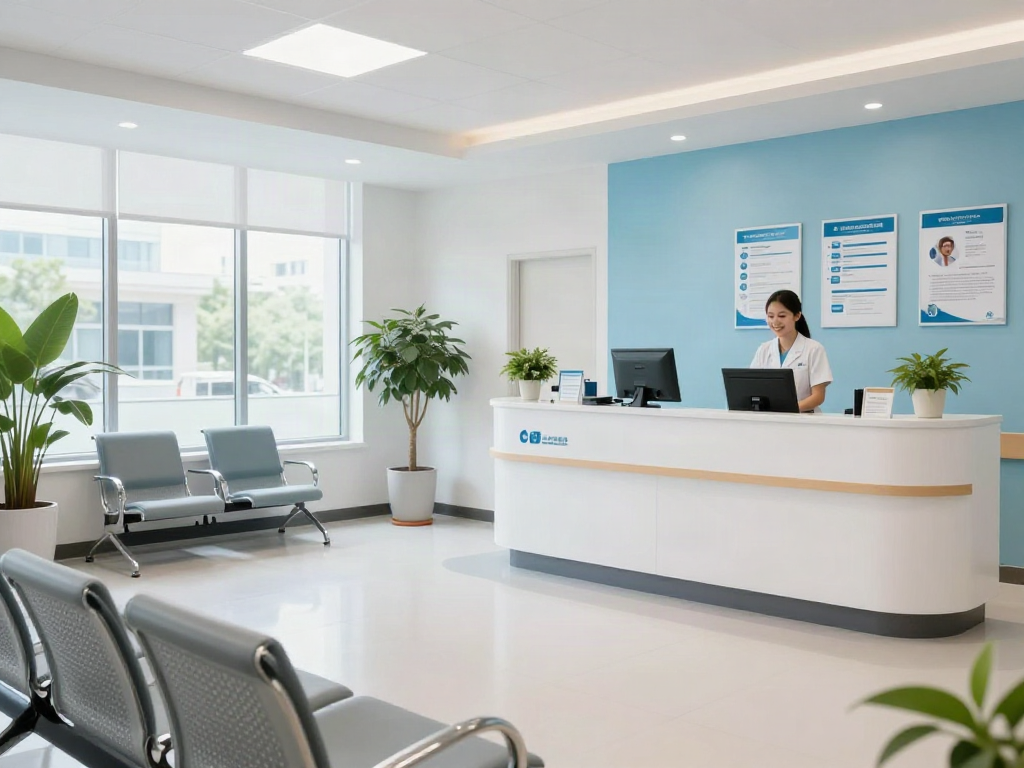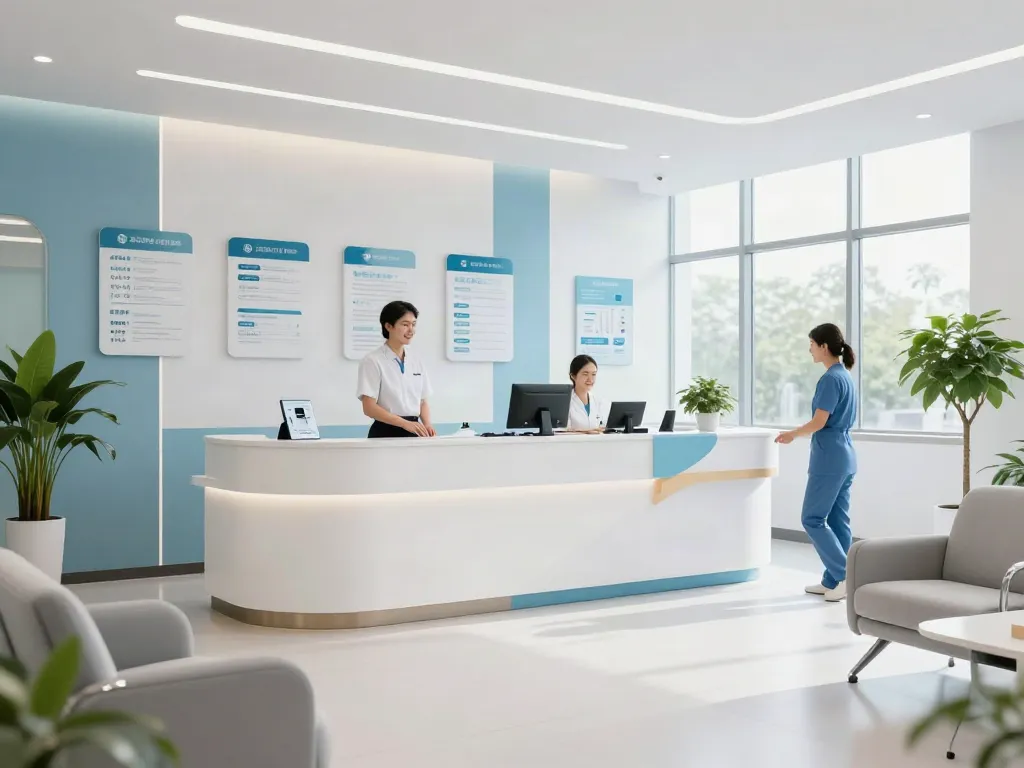
1. Understanding the Link Gacor Concept in Healthcare
The term link gacor is increasingly relevant in the healthcare landscape, particularly as it pertains to improving patient care and experience. It refers to the seamless connection between various healthcare services, providers, and innovative technologies, which together create a cohesive framework for treatment and support. This integration is pivotal for facilitating quick access to necessary information and resources for patients, allowing them to make informed decisions regarding their health. When exploring options, link gacor provides comprehensive insights into how educational institutions can better prepare healthcare professionals to embrace such integrative approaches.
1.1 Definition of Link Gacor and Its Relevance
Link gacor embodies the innovative intersections of healthcare delivery systems, where collaboration between various specialists, technology, and patient engagement initiatives leads to enhanced outcomes. In essence, it fosters an environment conducive to integrative care. As advancements in medical technology evolve, understanding these links becomes essential for both providers and consumers within the healthcare domain.
1.2 How Link Gacor Impacts Patient Experience
Patient experience is significantly improved through link gacor concepts. When patients have access to coordinated care that reflects their individual needs and preferences, their journey through the healthcare system becomes smoother. For instance, integrated health records allow providers to access comprehensive patient histories instantly, reducing redundant tests and ensuring personalized care. Consequently, patients often report higher satisfaction levels and greater engagement in their health management.
1.3 The Future of Link Gacor in Healthcare Trends 2026
By 2026, we can anticipate that link gacor will extend beyond traditional health services. We foresee the integration of artificial intelligence and data analytics to further tailor patient journeys and streamline processes. Emphasis will be placed on customizing patient experiences, enhancing accessibility to healthcare facilities, and utilizing telemedicine to support rural populations. The onus will be on educational institutions to prepare future healthcare professionals for this paradigm shift.
2. Enhancing Patient Care through Effective Communication
Effective communication is a cornerstone of quality healthcare. It ensures that patients understand their diagnoses, treatment options, and care protocols. Poor communication can lead to misunderstanding, decreased adherence to treatment plans, and ultimately, poorer health outcomes. Establishing clear communication channels leads to more engaged patients and a smoother healthcare experience.
2.1 Best Practices for Patient Communication
Research indicates that engaging patients through active listening, empathy, and providing substantial information about their conditions can significantly improve healthcare outcomes. Additionally, using teach-back methods—where patients repeat information back to their providers—can clarify understanding and ensure retention of vital health information.
2.2 Overcoming Barriers in Patient-Provider Conversations
Language barriers, cultural differences, and individual patient concerns often complicate healthcare communication. Healthcare providers must be trained to recognize and address these barriers, possibly through the use of interpreters or targeted communication strategies that resonate with diverse patient populations. Incorporating cultural competence into training programs can empower providers to foster genuine relationships with patients.
2.3 The Role of Technology in Enhancing Communication
The proliferation of digital tools has transformed patient-provider interactions. Platforms that facilitate appointment scheduling, telehealth services, and secure messaging have contributed to more timely and efficient communication. Nevertheless, healthcare providers should remain cautious and ensure these technological advancements are used to complement, not replace, face-to-face interactions.
3. The Importance of Personalized Health Services
Personalized healthcare involves tailoring medical services to fit individual patients’ needs based on their unique medical histories, preferences, and circumstances. This approach is essential for fostering engagement and adherence to treatment plans, ultimately leading to improved health results.
3.1 Tailoring Care for Individual Needs
Personalized care can manifest through customized treatment plans that consider a patient's specific health conditions, lifestyle choices, and even genetic factors. Professionals are encouraged to utilize tailored approaches when prescribing medications and designing interventions, to better respond to the variables inherent in patient health.
3.2 Benefits of Comprehensive Patient Assessments
Thorough patient assessments—encompassing physical examinations, health history evaluations, and psychosocial factors—facilitate accurate diagnoses and optimal treatment strategies. These assessments allow healthcare providers to pinpoint underlying issues that may not be immediately apparent, leading to more effective interventions and outcomes.
3.3 Linking Patient Ambitions to Healthcare Offerings
Healthcare providers should also consider aligning their services with patients' goals and aspirations. By understanding what motivates and excites patients regarding their health and wellness, practitioners can enhance adherence to treatment plans and improve patient satisfaction. This connection between personal ambition and healthcare offerings is essential for creating a responsive health service landscape.
4. Innovations in Preventive Health and Wellness
Preventive health strategies are vital in decreasing the incidence of diseases and improving overall community health. Innovations in this area continue to evolve, focusing on early detection and education to empower individuals in managing their health proactively.
4.1 Preventive Screenings and Their Importance
Preventive screenings, including immunizations and routine health checks, are foundational to promoting public health. These screenings can identify potential health issues before symptoms arise, allowing for timely intervention and better outcomes. Healthcare providers must continually advocate for these practices and educate patients about their significance.
4.2 Innovative Approaches to Patient Wellness
Emerging technologies, such as wearable devices that monitor chronic conditions, provide real-time data which can inform healthcare decisions. Furthermore, incorporating holistic approaches that address mental, physical, and social well-being can encourage patients to participate actively in their health management.
4.3 Future Directions for Preventive Health Strategies
The trajectory of preventive health will likely involve expanding the accessibility of advanced technologies such as genetic screening and personalized health apps. These innovations could revolutionize how preventive care is delivered and tailor interventions to at-risk individuals based on comprehensive data analysis.
5. Mental Health Awareness and Support Structures
As awareness of mental health continues to grow, it is vital that healthcare systems evolve to adequately support these needs. Mental health is an integral component of overall well-being, and addressing it comprehensively is crucial for enhancing quality of life.
5.1 Current Trends in Mental Health Care 2026
By 2026, mental health care is expected to become more integrated with physical health services, capturing the holistic nature of patient well-being. Increased advocacy and state support for mental health services will likely lead to a significant reduction in stigma, facilitating better access and treatment options for those in need.
5.2 Building Trust in Mental Health Counseling
Establishing trust is a cornerstone of effective mental health care. Healthcare providers must cultivate environments where patients feel safe and understood. Techniques such as consistent follow-ups and open discussions about mental health can build enduring relationships that encourage patients to seek help.
5.3 Innovative Solutions for Mental Health Support
Innovations such as teletherapy and community support applications are reshaping the landscape of mental health care, offering personalized outlets for individuals. These technologies broaden access and provide real-time connections, enabling patients to receive immediate care when challenges arise.